Venture into the mountain ranges and cactus forests of the Tehuacán-Cuicatlán Valley.
Paleontological exploration route
Valle de Tehuacán-Cuicatlán
Discover the exceptional universal value of the Tehuacán-Cuicatlán Biosphere Reserve, a protected natural area in Mexico and inscribed as a mixed site (natural and cultural) on the UNESCO World Heritage list.
On this visits, you will explore unique sites and immerse yourself in novel culinary experiences, tasting authentic flavors that represent the biological, geological, cultural, and historical richness of the valley.
Furthermore, you will interact with hosts, artisans, and local and community guides who, with their experience, traditional knowledge, and conservation efforts, will introduce you to this millennial space where the first records of species domestication and agricultural technification in Mesoamerica are found.
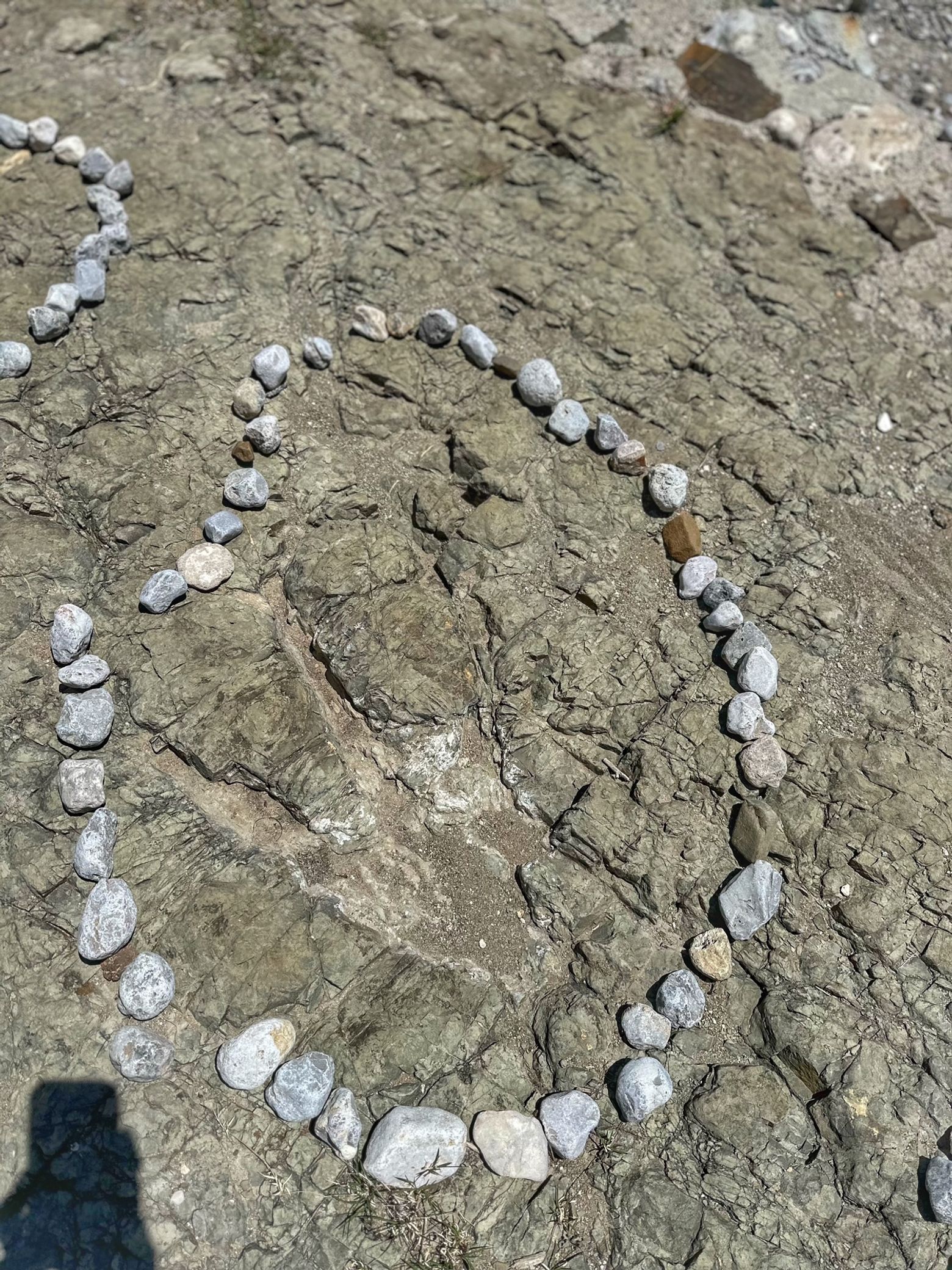
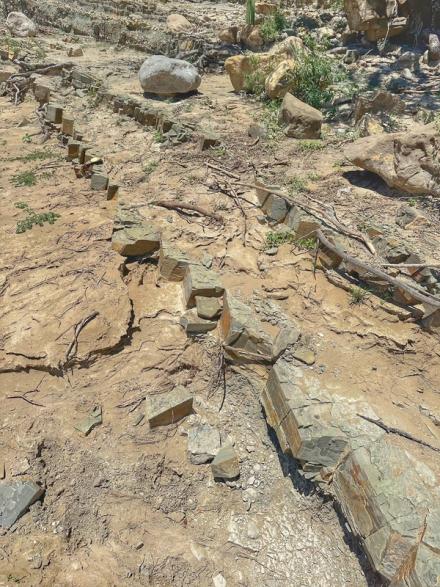
On the paleontological exploration route, the expert guide will transport you to the Cretaceous period, walking along trails where you will discover carnivorous footprints, the giant cactus (biznaga gigante), and Turritellas,marine fossils and spectacular geological formations that evoke a world of dinosaurs, in a landscape dominated by columnar cactus forests and endemic plants.
Additionally, you will learn from local producers about the process of exploiting the "White Gold Salt" (Sal de Oro Blanco) of pre-Hispanic origin. The appearance of these salt fields in the valley dates back to prehistory when this region was part of the seabed.
During the tours, the activity is complemented by a culinary experience featuring food based on local and endemic ingredients in an indigenous community. Select the tour of your preference!
Duration: 8 hours
For groups of: 2 to 30 people
Monday to Sunday: 9:00 am to 5:00 pm. (It is possible to delay the start time and/or reduce the duration of the visit up to 4 hours)
Program available for: children and adults in Spanish or English.
The number of specialized guides for this experience is limited, so we recommend booking as far in advance as possible.Important Concepts and Information for the Visit:
+ Tehuacán-Cuicatlán Valley: Tehuacán means "place of gods," and Cuicatlán means "land that sings". It is an arid or semi-arid zone with one of the highest levels of biological diversity in North America, giving rise to crucial human adaptations for the emergence of Mesoamerica, one of the cradles of civilization in the world. The domestication of the corn plant began in this area.
+ UNESCO Exceptional Universal Value: means a cultural and/or natural importance so extraordinary that it transcends national borders and is important for present and future generations of all humanity.
+ Mesoamerica: is a cultural super-area with a set of shared cultural traits (such as corn cultivation, architecture, and writing) that united the peoples of an extensive region of America, from central Mexico to northwestern Costa Rica, distinguishing them from other cultures on the continent. This definition is attributed to the Mexican anthropologist Paul Kirchhoff.
+ Paleontological route: a tour for sighting fossil finds, footprints, or vestiges for the study of past living beings. These routes allow for understanding the geological heritage of a region and documenting its prehistoric biodiversity.
+ Turritellas: a genus of marine snails (including their fossils) distinguished by their conical, elongated, and spiral-shaped shells. Their fossils are regularly found in areas where an arm of the sea once existed.
+ Burnished Clay (Barro bruñido): pottery with a polished and glossy surface resulting from a pre-Hispanic artisanal technique that consists of rubbing the clay with a smooth, hard object, such as a stone or a piece of pyrite, before firing the piece.
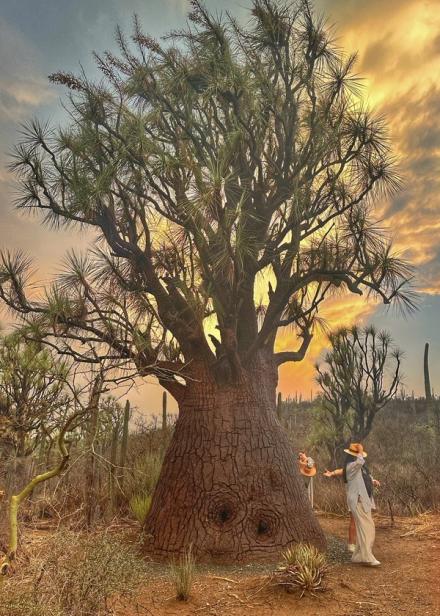
+ Sotolines: trees with wide trunks popularly known as "elephant's foot". The sotolin is an endemic species of the Tehuacán-Cuicatlán valley whose specimens can reach a lifespan of over 800 years. Its commercialization is illegal.
+ Clothing: it is recommended to wear a hat or cap, a light long-sleeved shirt or blouse and jeans, a sweatshirt and waterproof jacket, as well as closed shoes, ecological or biodegradable sunscreen, and sunglasses.
+ Transportation: for your transfer, you can hire a direct bus service route from Mexico City (CDMX) to Tehuacán and back (CDMX-Tehuacán-CDMX) departing from the TAPO terminal and other terminals in other parts of the city. Alternatively, you can drive to the valley (4 hours of driving). We recommend carpooling in the case of groups to share driving hours, reduce carbon emissions, and make the trip more fun. We can look for transportation services for large or corporate groups if required.
+ Accommodation: Tehuacán has different hotel options. We can provide recommendations if you wish or need to spend the night in the valley.
The burnished clay route
Discover the exceptional universal value of the Tehuacán-Cuicatlán Biosphere Reserve, a protected natural area in Mexico and inscribed as a mixed site (natural and cultural) on the UNESCO World Heritage list.
On this visits, you will explore unique sites and immerse yourself in novel culinary experiences, tasting authentic flavors that represent the biological, geological, cultural, and historical richness of the valley.
Furthermore, you will interact with hosts, artisans, and local and community guides who, with their experience, traditional knowledge, and conservation efforts, will introduce you to this millennial space where the first records of species domestication and agricultural technification in Mesoamerica are found.
On the Burnished Clay route (ruta del barro bruñido), the expert guide will offer you a window to the past to appreciate the nature and culture that have made this area the original habitat of Mesoamerica.
This route includes a visit to the community of Los Reyes Metzontla, an indigenous Ngiwa town that continues to produce burnished clay pottery using ancestral techniques from over 4,000 years ago.
It also includes a trip through the beautiful natural reserve of El Santuario, guardian of colossal cacti, sotolines forests, and other specimens over 2,000 years old, as well as an explanation of the medicinal uses of a large part of the plants at this site.
During the tours, the activity is complemented by a culinary experience featuring food based on local and endemic ingredients in an indigenous community.
Duration: 8 hours
For groups of: 2 to 30 people
Monday to Sunday: 9:00 am to 5:00 pm. (It is possible to delay the start time and/or reduce the duration of the visit up to 4 hours)
Program available for: children and adults in Spanish or English.
The number of specialized guides for this experience is limited, so we recommend booking as far in advance as possible.Important Concepts and Information for the Visit:
+ Tehuacán-Cuicatlán Valley: Tehuacán means "place of gods," and Cuicatlán means "land that sings". It is an arid or semi-arid zone with one of the highest levels of biological diversity in North America, giving rise to crucial human adaptations for the emergence of Mesoamerica, one of the cradles of civilization in the world. The domestication of the corn plant began in this area.
+ UNESCO Exceptional Universal Value: means a cultural and/or natural importance so extraordinary that it transcends national borders and is important for present and future generations of all humanity.
+ Mesoamerica: is a cultural super-area with a set of shared cultural traits (such as corn cultivation, architecture, and writing) that united the peoples of an extensive region of America, from central Mexico to northwestern Costa Rica, distinguishing them from other cultures on the continent. This definition is attributed to the Mexican anthropologist Paul Kirchhoff.
+ Paleontological route: a tour for sighting fossil finds, footprints, or vestiges for the study of past living beings. These routes allow for understanding the geological heritage of a region and documenting its prehistoric biodiversity.
+ Turritellas: a genus of marine snails (including their fossils) distinguished by their conical, elongated, and spiral-shaped shells. Their fossils are regularly found in areas where an arm of the sea once existed.
+ Burnished Clay (Barro bruñido): pottery with a polished and glossy surface resulting from a pre-Hispanic artisanal technique that consists of rubbing the clay with a smooth, hard object, such as a stone or a piece of pyrite, before firing the piece.
+ Sotolines: trees with wide trunks popularly known as "elephant's foot". The sotolin is an endemic species of the Tehuacán-Cuicatlán valley whose specimens can reach a lifespan of over 800 years. Its commercialization is illegal.
+ Clothing: it is recommended to wear a hat or cap, a light long-sleeved shirt or blouse and jeans, a sweatshirt and waterproof jacket, as well as closed shoes, ecological or biodegradable sunscreen, and sunglasses.
+ Transportation: for your transfer, you can hire a direct bus service route from Mexico City (CDMX) to Tehuacán and back (CDMX-Tehuacán-CDMX) departing from the TAPO terminal and other terminals in other parts of the city. Alternatively, you can drive to the valley (4 hours of driving). We recommend carpooling in the case of groups to share driving hours, reduce carbon emissions, and make the trip more fun. We can look for transportation services for large or corporate groups if required.
+ Accommodation: Tehuacán has different hotel options. We can provide recommendations if you wish or need to spend the night in the valley.
- Duration
- 8 hours
- Guests
- 2–30
- ✓Expert guide, visit to an indigenous community, meal made of local ingredients, local transportation, transportation from Mexico City for groups (optional)
Bespoke experiences we've already crafted.
Every project starts from a unique intention. Here's what the results look like.
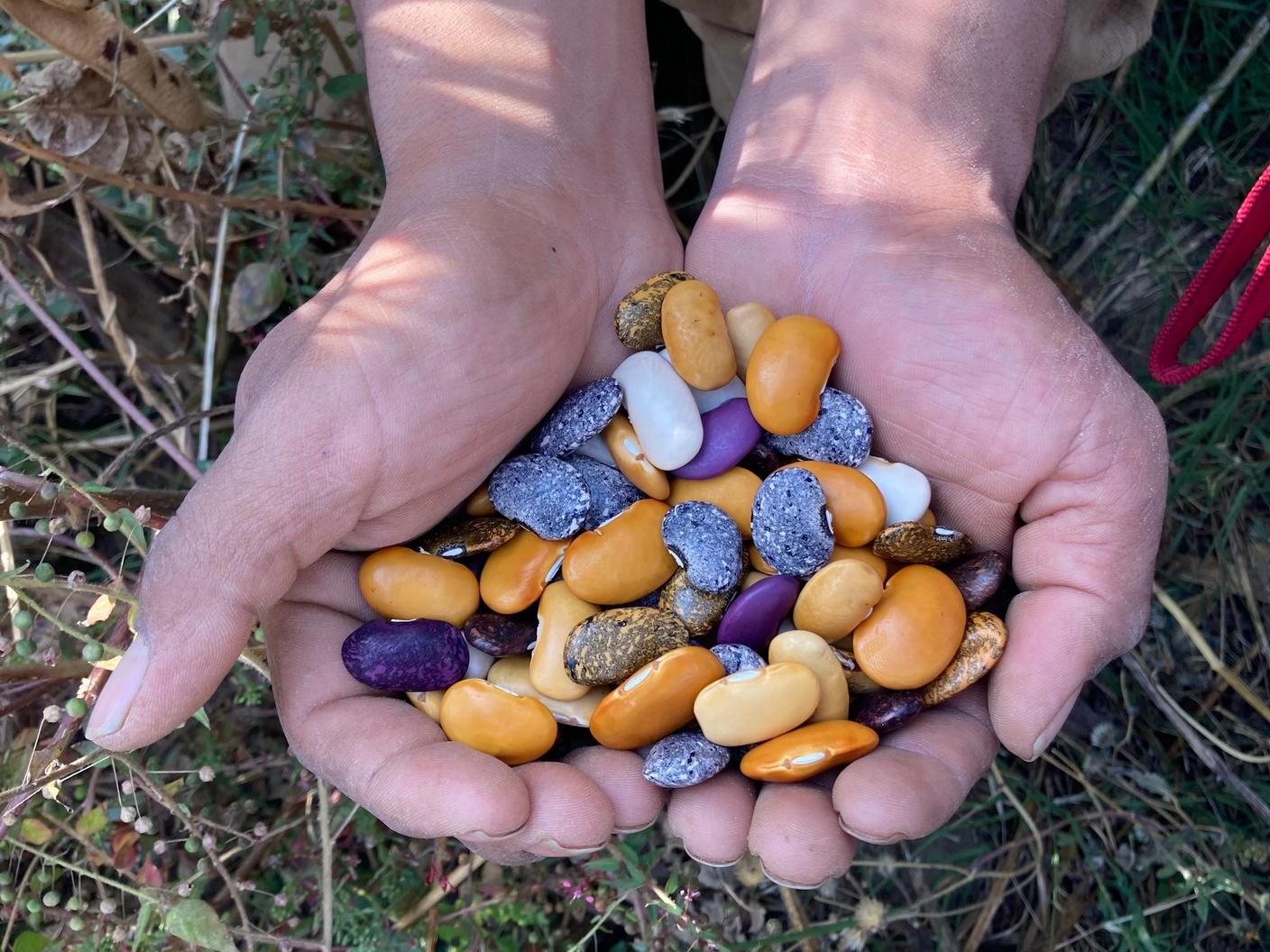
Mexico: Point of origin, domestication and genetic diversity of traditional beans.
Mexico is the origin point of beans, domesticated 8,000 years ago in Mesoamerica. 57 of the 150 known species worldwide are grown in its territory.
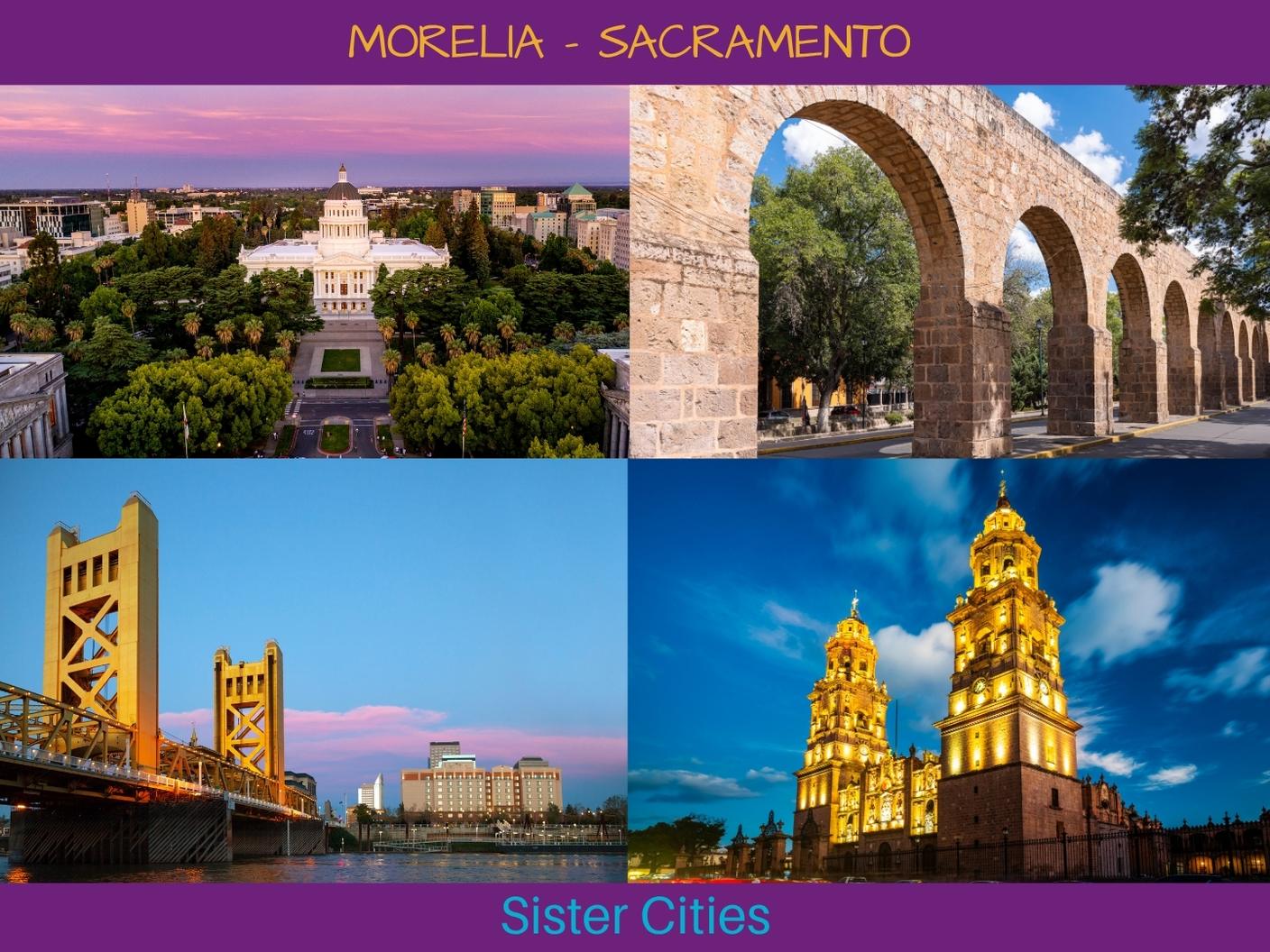
Morelia and Sacramento: Sister City agreement for cooperation and unity between communities.
The mayors of Morelia and Sacramento signed a Sister City Agreement in February 2026, fostering cooperation in culture, tourism, and economic development between Mexico and California.
Have a trip
in mind ?
We'll contact you within 48 hours to start designing your trip.